BREAKING NEWS!!! TRUMP just confirmed the passing of…see more
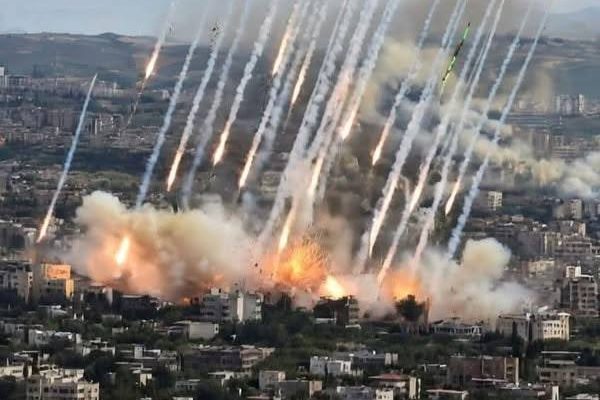
On the morning of February 28, 2026, a conflict that had been building for years finally erupted with devastating force. The United States and Israel launched coordinated surprise airstrikes against multiple locations across Iran, setting off a chain of events that has since reshaped the balance of power in the Middle East, rattled global energy markets, and sent shockwaves through every corner of the international community. As of today, March 23, 2026 — day 24 of the conflict — the fighting shows no clear sign of stopping, and the human cost on all sides continues to rise.
This is a factual account of what happened, how it escalated, and where things stand now.
The road to war did not begin on February 28. The tensions between the United States, Israel, and Iran had been building steadily since 2023, punctuated by a series of missile exchanges in 2024 and a brief but intense twelve-day military confrontation in June 2025 that significantly damaged Iran’s nuclear infrastructure. By January 2026, Iran was facing enormous internal pressure as well. A wave of mass protests — described by observers as the largest since the Iranian Revolution — was met with a violent crackdown by Iranian security forces, in which thousands of demonstrators were killed. The response from Washington was swift and firm. President Donald Trump threatened military action and authorized the largest American military buildup in the region since the 2003 invasion of Iraq.
In mid-February, there was a brief moment of hope. Diplomatic talks between the United States and Iran resumed, and on February 25, Iranian Foreign Minister Abbas Araghchi declared that a historic agreement to avert military conflict was within reach. Just days earlier, Oman’s Foreign Minister had confirmed that Iran had agreed in principle to never stockpile enriched uranium and to allow full verification by the International Atomic Energy Agency. Peace, it seemed, was possible.
It did not happen.
On February 28, while negotiations were still technically underway, American and Israeli forces launched Operation Epic Fury — a massive coordinated strike campaign targeting missile infrastructure, military installations, nuclear facilities, and senior leadership across Iran. The opening strikes killed Supreme Leader Ali Khamenei in an attack on his compound in Tehran. Iranian state media confirmed his death on March 1. The country’s 86-year-old spiritual leader, who had held power since 1989, was gone. The shock was immediate and profound, both inside Iran and across the world.
Iran’s response was swift and broad. Within hours of the opening strikes, Tehran launched hundreds of ballistic missiles and drones toward Israel and toward United States military bases spread across the Middle East — in Bahrain, Jordan, Kuwait, Qatar, Saudi Arabia, Turkey, and the United Arab Emirates. Iran also struck civilian and commercial infrastructure in several neighboring countries and moved to close the Strait of Hormuz, one of the world’s most critical maritime passages through which a significant portion of global oil flows.
The regional spillover was immediate. Dubai International Airport, one of the busiest in the world, was damaged by drone strikes and temporarily shut down. Qatar’s key liquefied natural gas facility at Ras Laffan was hit, cutting roughly 17 percent of its output. Global oil and gas prices surged. Flights across the Middle East were grounded. Financial markets around the world registered sharp volatility.